
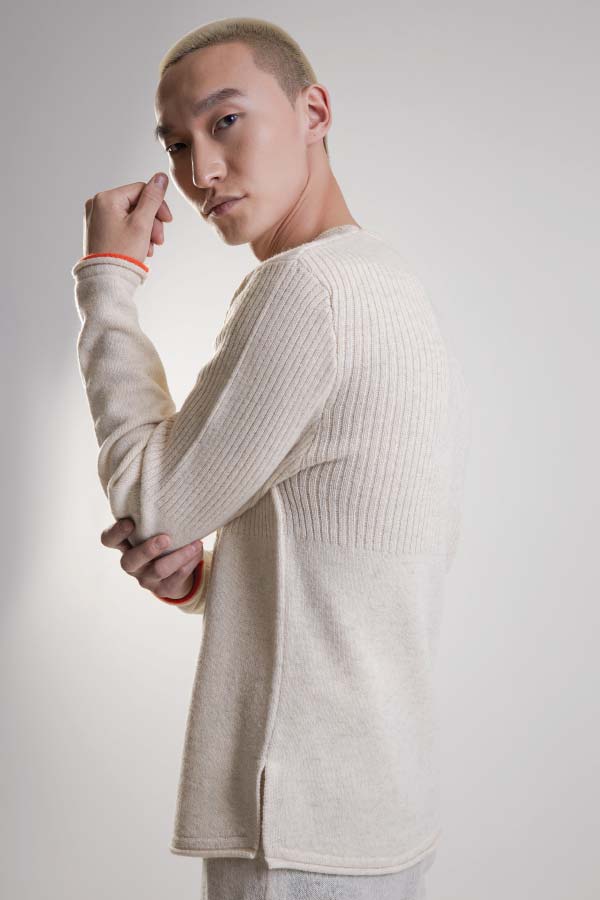
A sheep wool with a cashmere touch.
Most brands see wool and cashmere as two separate worlds: one sturdy, the other precious. Sartuul sits right between them.
Sartuul is a Mongolian sheep raised in the cold, green northwest of the country. To survive the winter, it grows a soft down undercoat. The result is a natural, fully traceable fiber with a hand feel far closer to cashmere than to ordinary wool.
2
natural shades, creamy white and light grey
5–7
gauges we recommend for the softest Sartuul knitwear
100%
washed, spun, knitted and finished in Ulaanbaatar
Why brands choose Sartuul
- Cashmere touchA fine down undercoat, grown against the cold, gives the wool its softness.
- Fully traceableOne breed, one region of Mongolia, herders working under contract.
- Short circuitEvery step, from raw fiber to finished piece, happens in Ulaanbaatar.
- A new storyFew customers know Sartuul yet. It gives a collection something rare to tell.
Where Sartuul comes from
Sartuul sheep are a local Mongolian variety, selectively bred by herders for centuries. They live only in a specific part of northwest Mongolia, around Zavkhan province and the Khangai mountains, at about 2,000 meters.
Two things shape the fiber. The region is very green, with rich grass through the summer. And the winters are so harsh that the animal grows a fine down undercoat, much like a cashmere goat.
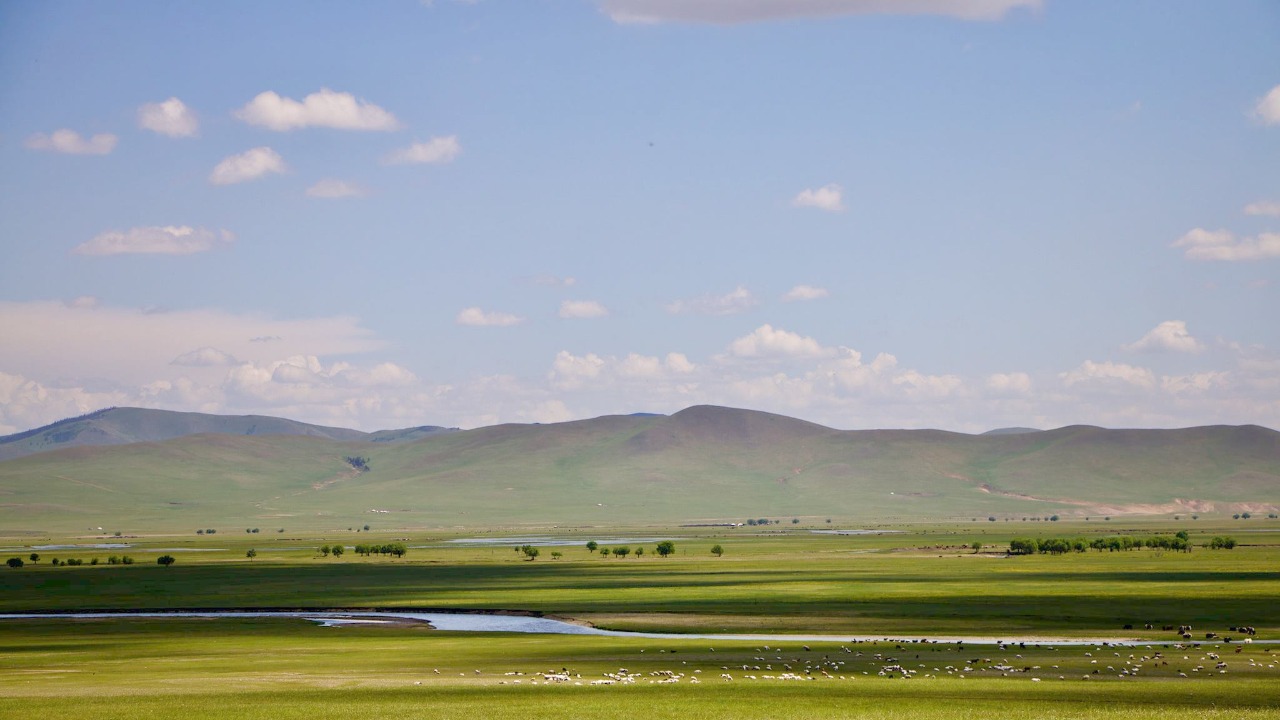
A sheep cannot be combed. That is exactly what makes Sartuul unique.
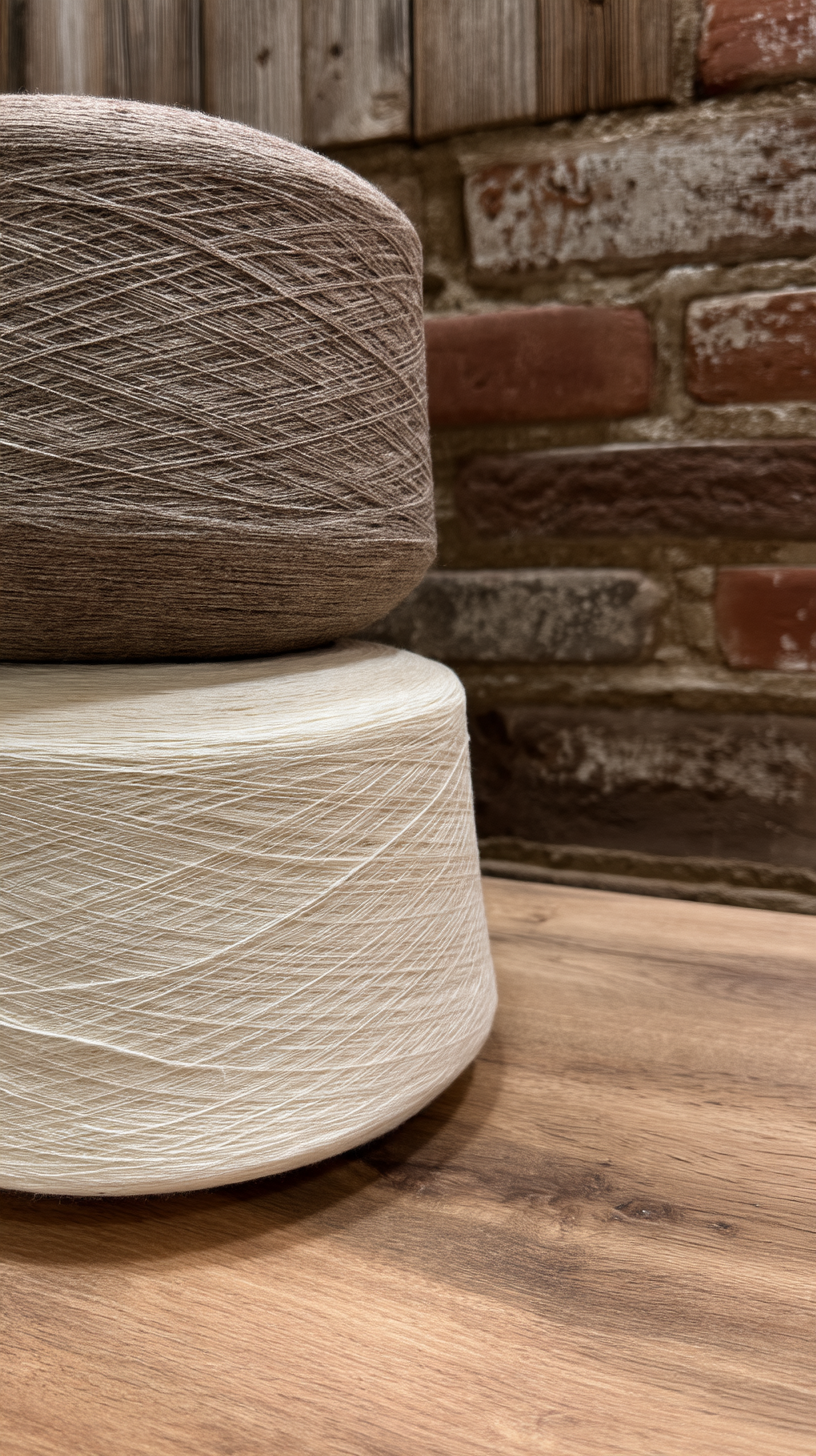
Why a sheep wool feels like cashmere
A cashmere goat is combed to collect its down. A sheep is shorn. With Sartuul, the very fine down and the coarser hair come off together and stay blended in the yarn.
The down brings the softness. The hair brings body and resilience. Together, they make a sheep wool with a cashmere touch, in two natural shades: creamy white and light grey.
Traceable, from pasture to sweater
Because the breed lives in only one region, every kilo can be traced back to its origin.
The herders work under contract with the Swiss-backed Green Gold program, launched by the Swiss Agency for Development and Cooperation. Herder groups commit to sustainable rangeland management: rotating pastures, resting degraded land and protecting the grass that feeds their flocks.
One animal, one landscape, one community. A clear and honest story for your customers.
Made in Ulaanbaatar, from fiber to finished piece
Sartuul travels a very short road. Fewer transports, fewer intermediaries, full visibility on every stage.
01
Washed
The raw fiber is cleaned to remove dust and natural grease.
Ulaanbaatar
02
Spun
The blended down and hair become a soft, even yarn.
Ulaanbaatar
03
Knitted
Fully fashioned, piece by piece, at a low gauge.
Ulaanbaatar
04
Finished
Washed and finished to bring out the softness.
Ulaanbaatar
The key: knit it loose
This is the main lesson from our development work. Knitted tight, the fiber is compressed and the coarser hair comes forward: the fabric feels scratchy.
Knitted at a low gauge, the down has room to bloom. We recommend 5 or 7 gauge for a soft, lofty hand. 12 gauge remains possible for lighter pieces, with a firmer touch.
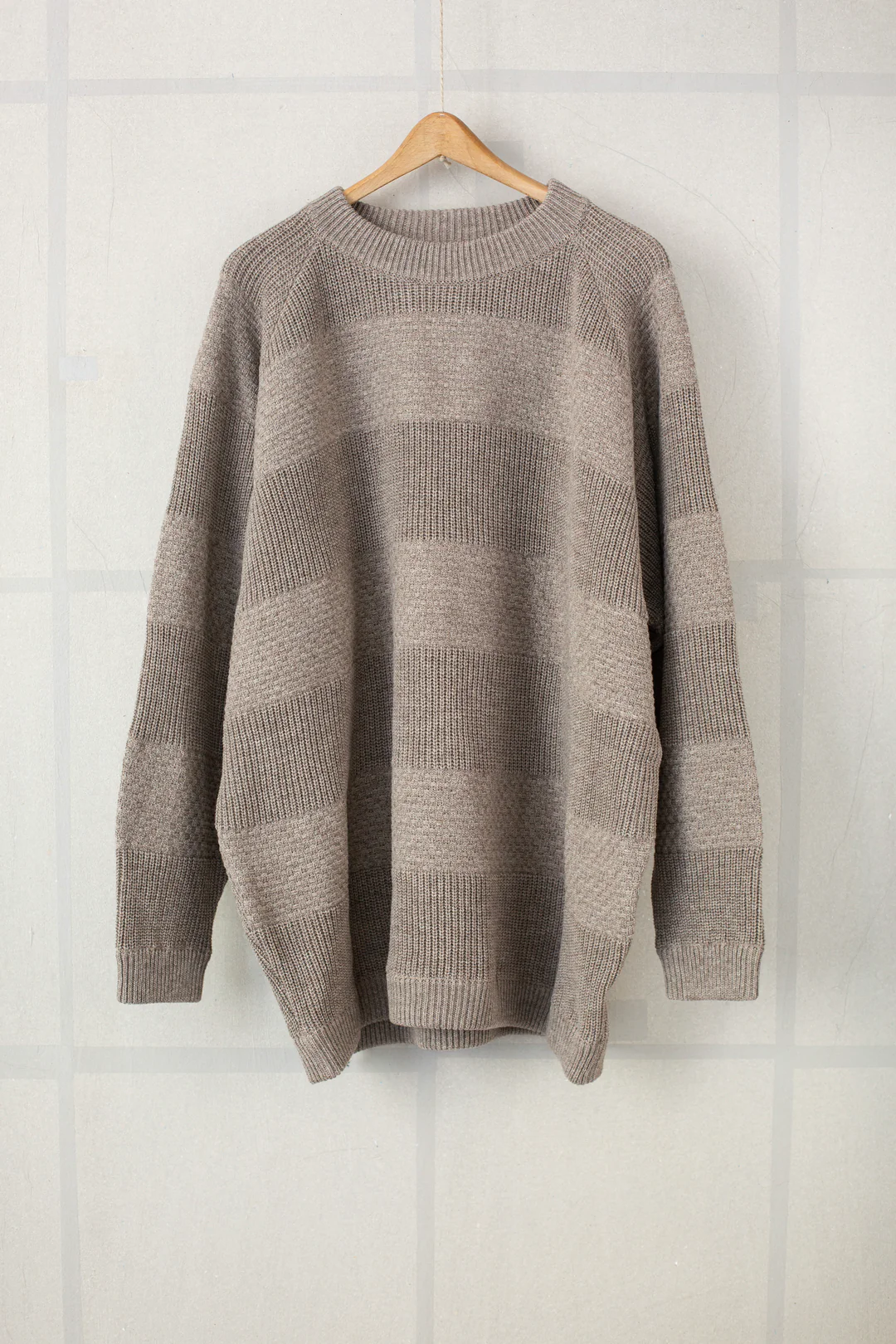
Sartuul needs air to stay soft.
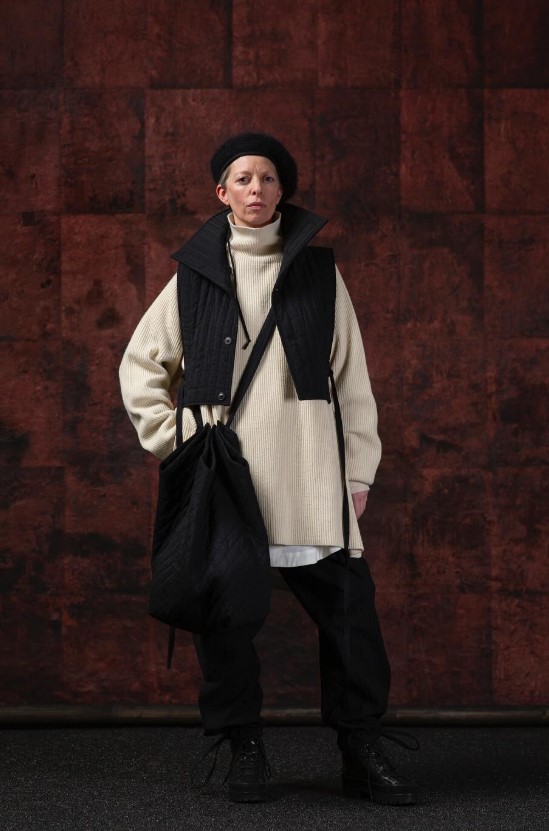
Designers who chose Sartuul
When the Austrian designer Petar Petrov first discovered Sartuul, he immediately asked for the exclusivity of the fiber for that season. We secured a dedicated stock for his collection.
We have also produced Sartuul knitwear for Jan-Jan Van Essche.
Sartuul, cashmere and yak compared
| Sartuul | Cashmere | Yak | |
|---|---|---|---|
| Animal | Mongolian sheep | Cashmere goat | Yak |
| Harvest | Shorn | Combed | Combed |
| Hand feel | Soft, with body | Very soft, silky | Soft, dry, matte |
| Natural shades | Creamy white, light grey | Wide range, often dyed | Grey, dark brown, light brown |
| Best gauges | 5, 7 | 5, 7, 12, 16 | 5, 7 |
| Origin | Northwest Mongolia | Mongolia | Mongolian highlands |
Curious about yak? Read Yak Wool vs Cashmere.
Frequently asked questions
What is Sartuul wool?
Wool from a Mongolian sheep bred in the cold northwest of the country. It grows a fine down undercoat, which gives the wool a cashmere-like touch.
Is Sartuul the same as cashmere?
No. Cashmere comes from goats and is combed. Sartuul comes from sheep and is shorn, so its fine down stays blended with coarser hair.
Is Sartuul wool itchy?
It depends on the knit. At 5 or 7 gauge it stays soft and airy. Knitted too tight, it can feel scratchy.
What colors does Sartuul come in?
Two natural shades: creamy white and light grey.
Is Sartuul traceable?
Yes. The breed lives in one region of Mongolia, and the herders work under the Green Gold sustainable rangeland program.
Where is Sartuul knitwear made?
The fiber is washed, spun, knitted and finished in Ulaanbaatar.
What is the minimum order?
50 units per style, across sizes and colors. Bulk lead time is between 2 weeks and 2 months. Yarn in stock shades is available from 1 kg.
Feel Sartuul in your studio
Sartuul is best understood by touch. We can send a few swatches to your studio, in both natural shades and at different gauges. Discover our private label service and our yarn sourcing.